
Small breed
Pomeranian Puppies
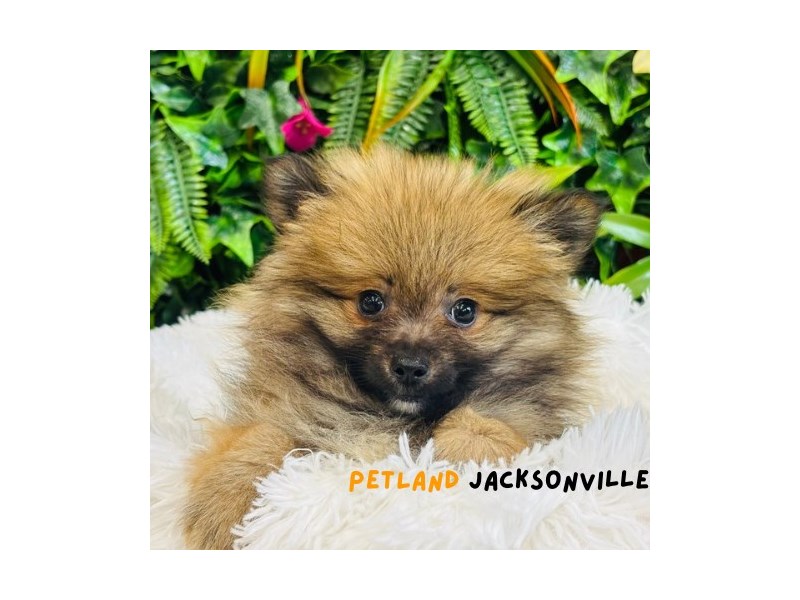
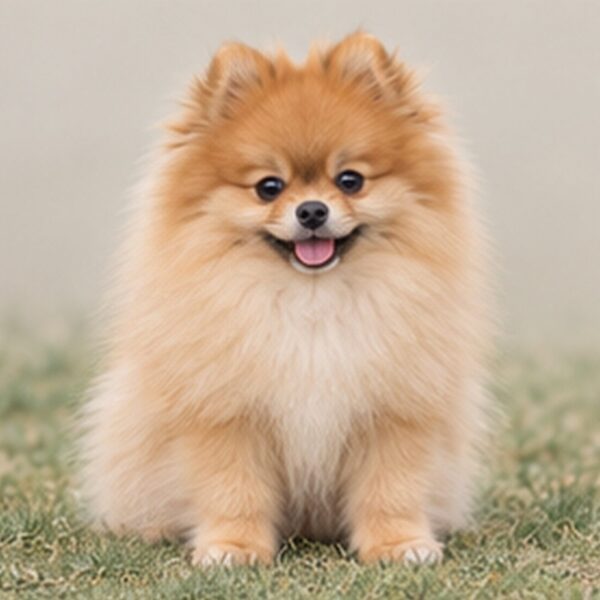
The Pomeranian, also called the ‘Pom’, is a famous Spitz dog named after the Pomerania region in Europe. Their cute size, sturdiness and lively nature make them one of the most popular dogs in the United States and Britain. Petland is honored to offer the highest quality Pomeranian puppies who will be an instant fit on your lap and in your family.
- Exercise 30 min a day
 1 available now
Available Pomeranian Puppies
About the Pomeranian
The Pomeranian, a charming and lively companion, hails from the Arctic region, where its ancestors served as sled dogs. Today, this small to medium breed is a beloved family pet, known for its vibrant personality and affectionate nature. Pomeranians thrive in various living situations, making them well-suited for apartment living as they are incredibly adaptable. With a temperament that endears them to both children and adults alike, they blend seamlessly into family life and are always ready for a cuddle or playtime.
Read more about the Pomeranian Show less
These little furballs possess a moderate energy level, making regular play and exercise essential but manageable. Daily walks and interactive play will keep your Pomeranian happy and healthy. While grooming is required on a weekly basis to maintain their stunning coat, their shedding level is moderate, allowing for a neat home environment. The Pomeranian’s trainability is impressive; their intelligence means they can learn commands and tricks with ease, provided they are met with consistent, positive reinforcement.
At the heart of a Pomeranian is an undeniable affection for their owners, often showering them with love and attention. They are known to be vocal, so get ready for a chatty little companion who enjoys expressing joy or alerting you to potential visitors. While they generally get along well with other dogs and cats, early socialization is key to ensure they develop harmonious relationships with any furry friends. If you are looking for an affectionate, spirited friend in Petland Jacksonville, Florida, the Pomeranian could be the perfect match for your family.
Pomeranian breed profile
Every score below is set by our team for this breed. Higher is simply more of that trait, not better or worse.
Temperament
-
Affection Devoted
-
Playfulness Always game
-
With strangers Friendly
-
Territorial Relaxed
-
Prey drive Low
Family & other pets
-
Young children Good
-
Older children Good
-
Other dogs Usually fine
-
Cats With introductions
Energy & exercise
-
Energy High
-
Mental stimulation High
Training
-
Trainability Quick to learn
-
Intelligence Very bright
-
Stubbornness A stubborn streak
Care & upkeep
-
Shedding Moderate
-
Drooling None to speak of
-
Barking Vocal
Home life
-
Apartment living Well suited
-
Time alone A few hours
-
Cold weather Average
-
Warm weather Average
A good match for
-
First-time owners Good first dog
-
Senior owners Good
-
Running partner Short distances
-
Hiking Short walks
-
Therapy work Possible
-
Guarding Low
Living with a Pomeranian
History
The Pomeranian is the smallest dog of the spitz family of dogs. They are able to be traced back as a descendant of actual sled dogs from Lapland and Iceland. They get their name from areas in Poland and Germany, which is where they were originally bred. In the 1800s, after Queen Victoria of England praised these dogs, their popularity took off and never slowed down since. In 1888 they were officially recognized by the American Kennel Club. They remain a top dog today in the United States.
Personality
Many would describe their Pomeranians as fearless, loving, loyal, and caring. Despite this breed being a very small dog, they do not back down from anyone or anything. They have tiny bodies but huge loving hearts. For generations, this breed has topped the charts of popular dogs and remains a top breed in the United States. Their temperament is best described as happy, warm, and sometimes a bit stubborn.
Appearance
The Pomeranian comes in more colors than most dogs. Thirteen to be exact, which range from light-colored cream to honeycomb to red to chocolate to black, as well as some with different variations and blends. With a soft and very fluffy coat, it is wise to take the time to brush and comb his fur routinely. Starting with slow and short strokes tends to free any knots this dog may have. The more often brushing takes place, the easier the process becomes. Keeping up with your dog's grooming needs is a very important aspect of his care. It is also recommended that routine nail clipping and teeth cleaning are conducted, as well as a weekly bath.
Care
Feeding your puppy quality dog food in the right amounts is crucial. Pomeranians that are still growing should eat about one and a quarter cups of food in a 24-hour period. Mature Pomeranians should be fed one-half cups of food per pound of their body weight in a 24-hour period. Most would recommend that the food is divided into two portions and served about twelve hours apart. This breed does not require an excessive amount of care, however, basic care will make this dog look and feel his best.
Life Expectancy
- The Pomeranian averages a standing height between seven to twelve inches tall.
- This breed tends to weigh between twelve and fourteen pounds, although many look heavier due to the fluffy coats.
- The average life expectancy of the Pomeranian falls between twelve and sixteen years.
Breed Facts
Fact: The Pomeranian is a tiny dog that weighs less than fifteen pounds yet originates from a line of very large, strong, and physical dogs.
Fact: The Pomeranian has been spotted with some very famous people. These people include Mozart, Dr. Martin Luther King Jr., and Michelangelo, who allowed his Pomeranian to watch as he painted the ceiling of the Sistine Chapel!
Fact: This breed is known to be very loyal to his family, especially children.
Caring for a Pomeranian
- Grooming
- Weekly brushing
- Grooming cost
- Average
- Monthly food
- Average
- Outdoor space
- Manages without a yard
- Allergy friendly
- Not considered hypoallergenic
Pomeranian Video
Frequently Asked Questions
How can I care for Pomeranians?
Keep them active with toys and playtime. This is good for their mental health. Also, start a grooming routine with them as pups so that as they get older, they won’t resist brushing or baths.
Where is the best place to keep Pomeranian?
Pomeranians are best kept indoors. They are prone to overheating and can suffer heat stroke if kept outside in the heat for too long. Their small size also requires that they are kept in a safe environment.
Should Pomeranians be spayed?
Yes. Pomeranians, especially the females, should be spayed yearly. Female Pomeranians begin to shed when they are due for spaying.
What is Pomeranians general behavior?
Pomeranians are generally active, playful and friendly.
What is the life expectancy of a Pomeranian?
Their lifespan ranges from 12-16 years
What are the common health problems of a Pomeranian?
Common health problems for Pomeranians include merle, tracheal collapse, luxating patella, and cryptorchidism. Most of these issues occur when their grooming is neglected. Frequent cleaning of the teeth, eye, and ear can keep these health issues at bay. When properly cared for, Pomeranians are healthy dogs.
How often should Pomeranians be fed?
Share a cup of high-quality dog food into two. Give them one half during the day and the other half at night.
How often should Pomeranians be bathed?
You can bathe your Pomeranian as frequently as you wish.
Can Pomeranians cohabit with other animals?
Yes. Pomeranians can live with cats, hamsters, birds, and other animals.
How can Pomeranians be kept active?
Buy them toys and play with them frequently.